
Maintaining the quality of food in any culinary setting is paramount, and one critical aspect often overlooked is the condition of fryer oil. Degraded fryer oil can significantly impact not only the taste and appearance of fried foods but also their nutritional value. Recognizing the warning signs of degraded oil can help ensure that food remains delicious, safe, and appealing to customers.
The first step in protecting food quality through monitoring fryer oil is understanding what causes degradation. Several factors contribute to this process: exposure to high temperatures for extended periods, contamination from water or food particles, and oxidation due to air exposure. These factors lead to chemical changes within the oil, resulting in off-flavors and odors that can transfer to cooked foods.
One primary indicator warning signs of degraded fryer oil is a change in color. Fresh fryer oil typically has a light golden hue; as it degrades, it darkens considerably. If you notice your oil turning a deep brown or even blackish shade, it’s time for a change. This discoloration results from accumulated carbon deposits from burnt food particles and polymerized fats.
Another sign is an unpleasant odor emanating from the frying area. While all frying produces some smell, rancid or overly pungent odors indicate that the oil has broken down chemically beyond usability. Such smells often translate into undesirable flavors absorbed by fried items.
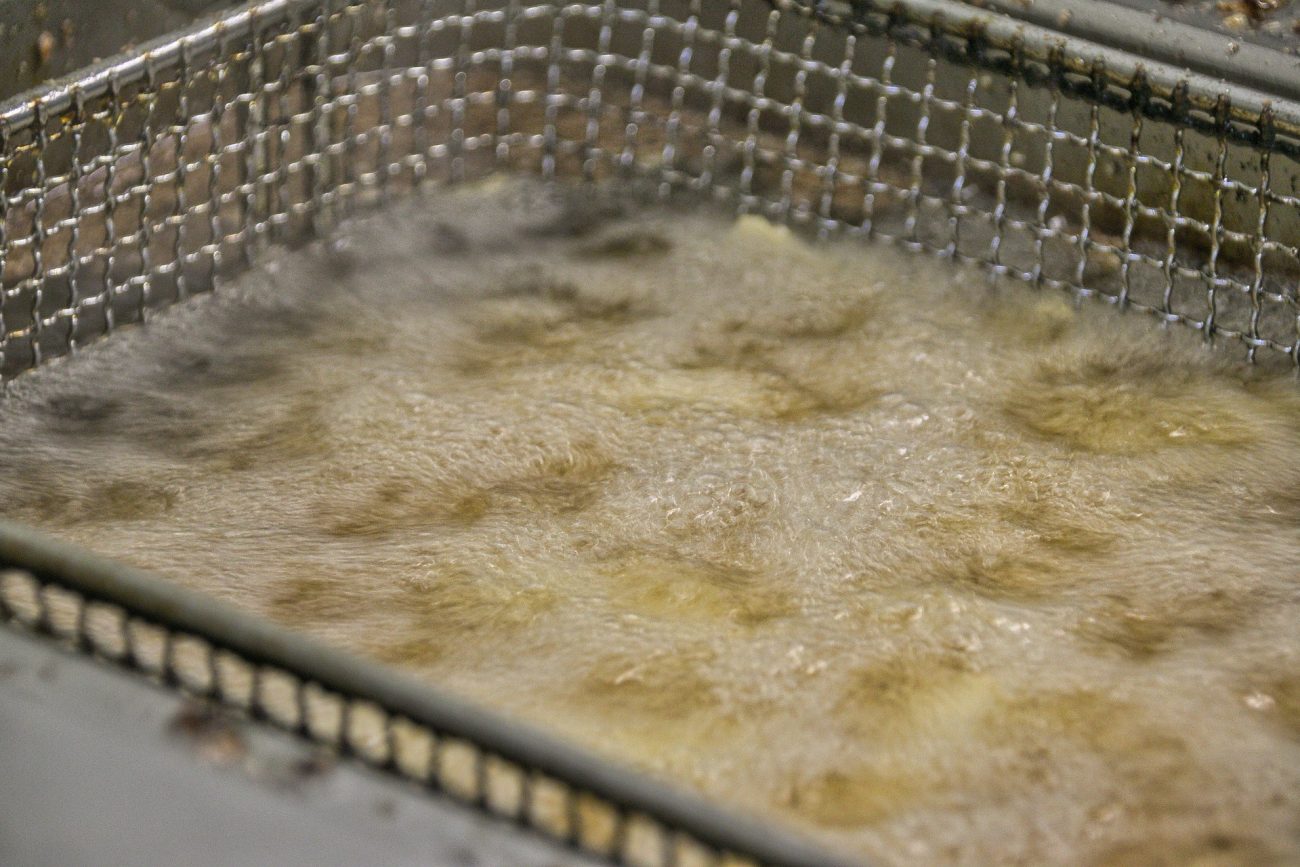
Foaming on the surface of hot oil is another red flag indicating deterioration. While some foaming might occur naturally when frying certain foods like battered items or frozen products with moisture content, excessive foaming suggests contamination or breakdown products within the oil itself.
